
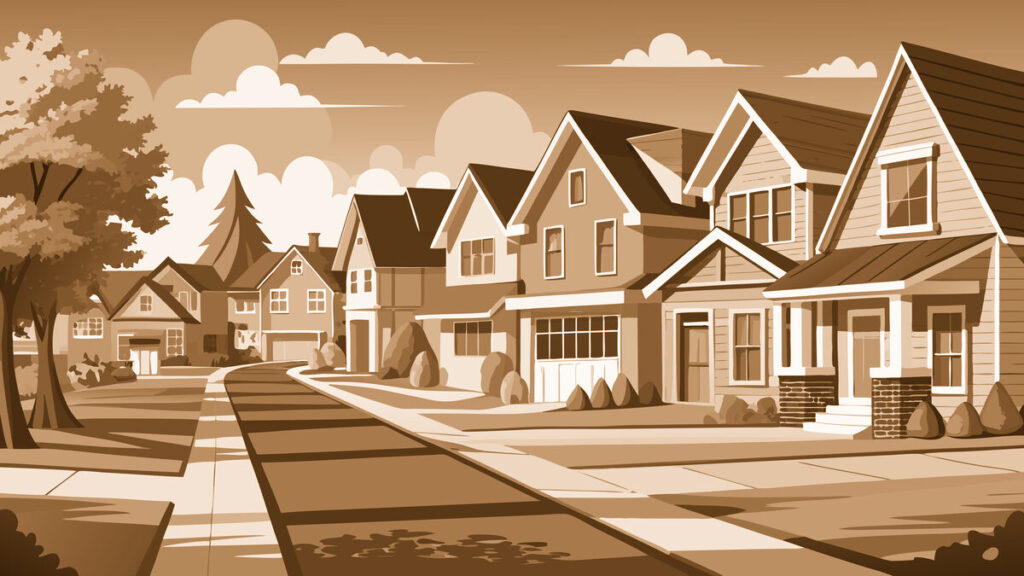
Goosetown is more than just a quirky name on the Evansville map—it’s a vibrant patchwork of heritage and community spirit, shaped by over a century of change and resilience. Ask any longtime resident about Goosetown, and you’ll be treated to stories that span generations, vine-laced porches, and footsteps echoing along its tree-lined streets. Join us as we dive into Goosetown’s fascinating journey, from its origin story to the present day.
The Birth of Goosetown: Origins and Name
The roots of Goosetown go back to the late 19th century, when Evansville was rapidly expanding eastward from the riverfront. Settlers worked in the factories and brickyards springing up along the expanding rail lines, seeking the American dream in the heart of the Midwest. Goosetown, roughly centered around Governor Street, Lincoln Avenue, and Washington Avenue, naturally grew up around these working-class opportunities.
The name “Goosetown” itself is half-lore, half-history—a badge worn with gentle pride by those who call this pocket home. The neighborhood’s moniker is said to have originated in the early 1900s, when many Eastern European immigrants kept geese in their backyards. The sight and, more notably, the sound of these flocks honking along the modest yards and alleys created an identity that locals embraced with good humor. Today, Goosetown’s name remains a playful reminder of its humble, hardworking origins.
Key Historical Milestones
Through the decades, Goosetown has weathered both prosperity and hardship, always managing to reinvent itself without losing its close-knit feel. Some key milestones mark the eastern side’s transformation:
- Early 1900s: Goosetown sees dense development as German, Polish, and Hungarian families settle, drawn by work at nearby industries such as the Whirlpool plant and coal yards.
- 1920s-1950s: The neighborhood thrives, with family-owned groceries, bakeries, and taverns dotting streets like Kentucky Avenue and Parrett Street. St. Mary’s Catholic Church on Cherry Street becomes a cultural anchor, hosting bazaars and celebrations.
- Postwar Era: A wave of post-WWII prosperity brings new families and maintains Goosetown as a bustling residential hub. However, by the 1970s, changing industries and urban sprawl lead to a period of decline, with many older homes falling into disrepair.
- Late 20th Century to Today: Grassroots efforts, neighborhood association activism, and targeted revitalization began breathing new life into Goosetown, sparking home restorations and community events that celebrate its distinctive character.
Notable Landmarks and Beloved Institutions
Strolling through Goosetown, you’ll find echoes of its past in the sturdy brickwork and welcoming porches. Several landmarks stand as touchstones to neighborhood identity:
- St. Mary’s Catholic Church (now Ascension St. Vincent Evansville campus): Once located on Cherry Street, the parish was pivotal in Goosetown’s community life. Though the original church has evolved, the site reflects the neighborhood’s spiritual and social roots.
- Goosetown Park: Sandwiched between Governor and Monroe Avenue, this family park is a vital green space. Once the watering hole for neighborhood geese, today it’s where children play, neighbors swap stories, and community picnics are held each spring and fall.
- Washington Avenue Historic District: Lined with charming late-19th-century cottages and streamlined 1920s bungalows, this residential stretch showcases the architecture that gives Goosetown its timeless feel.
- Old Neighborhood Taverns: While many have come and gone, walk down Kentucky Avenue and you’ll spot a handful of gathering spots where you might still hear an old tale or run into the children and grandchildren of original Goosetown residents.
Changing Times: Evolution and Preservation
Like all great neighborhoods, Goosetown has evolved—embracing new residents while honoring the traditions that built it. Housing styles reveal the neighborhood’s shifts: Queen Anne homes with intricate spindlework sit near brick bungalows and modern renovations, each telling stories of different eras. On warm days, you’re likely to see neighbors chatting on front porches or tending flower beds, a testament to the sense of belonging that endures here.
The Goosetown Neighborhood Association, established in the early 2000s, has been vital to this resurgence. By organizing block parties, coordinating clean-up drives, and advocating for safer streets, the association reflects the grassroots spirit Goosetown is known for.
Specific streets and corners hold their own micro-histories:
- Lincoln Avenue: Once a thoroughfare for streetcars, it connects Goosetown residents to downtown and campus life.
- Parrett Street: Once home to local shops, a few old storefronts have found new life through small businesses and arts initiatives.
- Cherry and Governor Streets: A blend of revitalized family homes and rental properties, illustrating Goosetown’s mix of old and new faces.
A Neighborhood with Heart
What gives Goosetown its lasting charm isn’t just the bricks and mortar, but the people who care for it generation after generation. Residents celebrate Porchfest, support little free libraries, and come together for neighborhood beautification days. During winter, you’ll find Goosetown’s lights twinkling, and in summer, laughter rolling off porches in the orange glow of dusk.
Old-timers swap stories about summer block parties from the 1950s, while newcomers add their own chapters to the Goosetown story. The geese are largely gone, but the spirit of connection and resilience remains as strong as ever.
Why Goosetown Endures
Goosetown is proof that the best neighborhoods are those lived in, loved, and looked after—no matter the changes time brings. Its heritage is lovingly visible in the architecture, the lingering family names, and the everyday warmth among neighbors. As Evansville continues to grow, Goosetown stands as a quiet invitation: to appreciate the deep roots beneath our city’s surface, and to find a little piece of home in its streets.
Next time you walk through Goosetown, take a moment to imagine those early flocks, the laughter that has echoed down these roads for decades, and the neighbors—old and new—who keep the tradition of this unique Evansville district alive.